




It's raining outside, it's cold, and the sky is that sad gray that makes you feel melancholy?
While it's true that we can't do anything about the weather, it's also true that, on the contrary, we can combat that dullness that seems to dull everything at home.
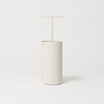
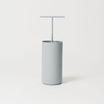
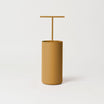
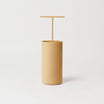
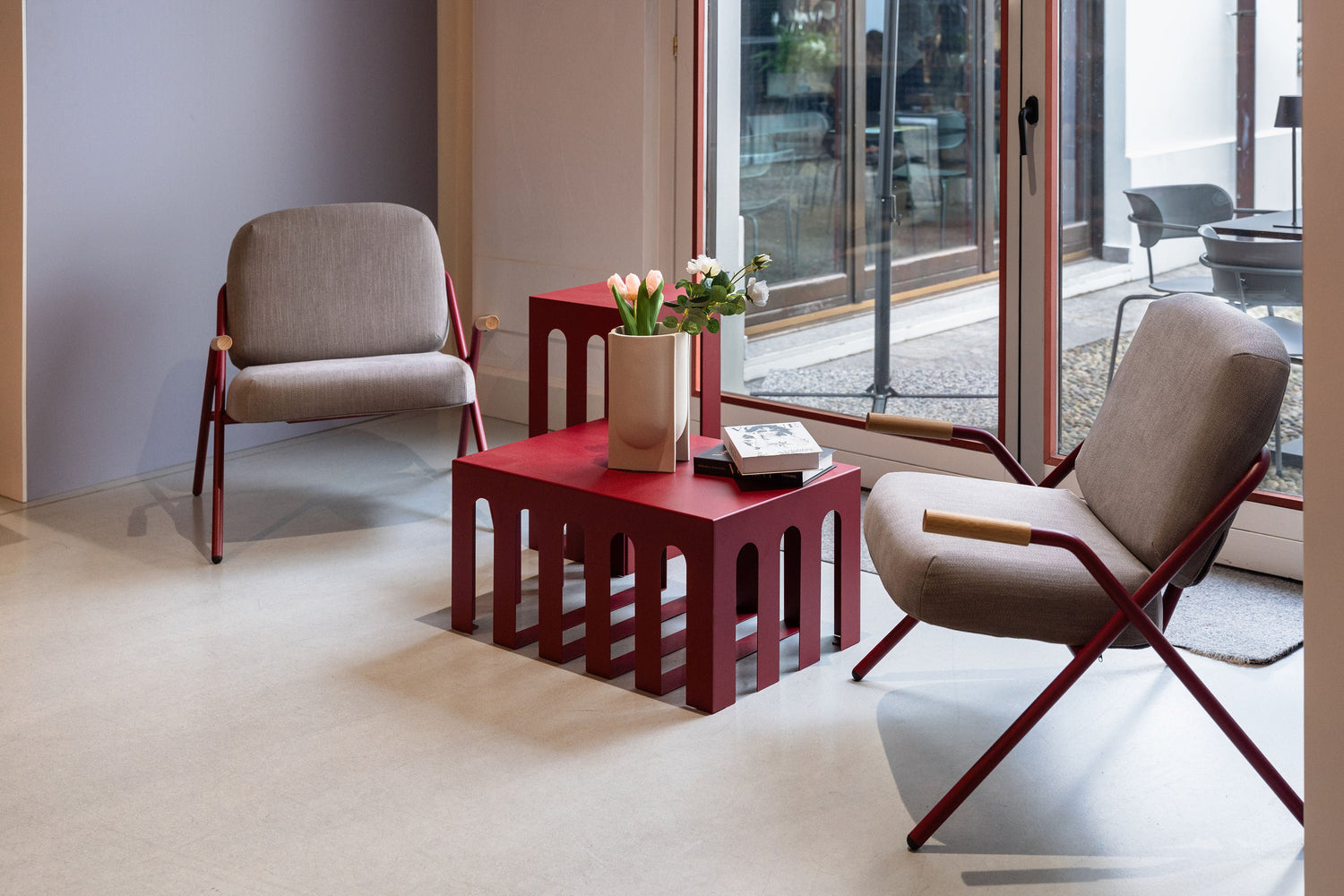
How? With color. Simply select the right warm hues for throws, cushions, accessories, and new furnishing accessories like coffee tables, shelves, coat racks, and trays.
And if you think warm colors are only for rustic-style homes, think again: in this article, we'll reveal some color options perfect for your existing palette and style, from minimalist Scandinavian to sophisticated retro.
How warm colors affect our perception of heat
Did you know that colors actually influence our perception of temperature?
One of the best-known experiments was conducted in the 1970s by psychologist Humphrey Osmond and later taken up by various environmental psychology studies.
In short, a group of people were asked to enter two different rooms, with the same actual temperature, but with different colors on the walls:
- a room with red and orange walls;
- a room with blue and green walls.
The result? People in the red-orange room reported feeling warmer than those in the blue-green room, but the temperature was identical.
So, our perception of heat depends not only on physical reality, but also on the way our brain interprets the colors around us .
This is why, even without increasing the actual temperature of the room, surrounding yourself with warm tones can make you feel more enveloped and pampered.
Tell us what palette you have and we'll give you the perfect warm color for your space.
Don't be afraid to add a warm color to your palette.
We'll make things easier for you with some practical examples.
- If your palette is all about blues, grays, or cool greens like emerald, teal, or turquoise, you can surprise with an unexpected pop of red. For example, you could pair your sofa with a Frida red or clay coffee table.
You can use these same colors to add vitality and contrast to an all-gray bathroom, focusing on designer bathroom accessories .
- If, on the other hand, you have a completely neutral palette or a room composed of warm woods and greens like sage, olive, or military green, opt for cinnamon.
It's an earthy brown that will add warmth and character to your interior.
You can use it, for example, for the TV cabinet or in smaller doses, for trays or decorative shelves.
- Are pastel shades and light wood your thing? Then terracotta and vanilla are perfect for your palette. They pair well with all candy colors, even cooler ones like mint green and powder blue.
- Finally, if your interior is dominated by white and features wood, brass, or gold details, you can make the room warmer and more refined with an elegant touch of antique pink.
Cinnamon color: a warm and enveloping embrace
Cinnamon (RAL 8000) is a spicy, intense, and earthy brown, reminiscent of the charm of the lands of the Orient. It's a warm and reassuring color, perfect for making a space more welcoming without overwhelming it.
It works beautifully with natural wood, beige, and olive green, but can also look stunning alongside brass details and midnight blue velvet.
Cinnamon, then, is an excellent binder for an autumn palette that includes several warm colors, such as blush pink, beige and terracotta.

Terracotta color: the warmth of the earth
Terracotta (RAL 3012) is a perfect blend of pink and orange. It's the color of sun-kissed roof tiles, Mediterranean majolica tiles, and the most poetic sunsets.
It has a revitalizing power.
Pair it with white to make it the absolute protagonist or with shades of green to bring a touch of freshness.

Frida Red and Clay: Passion vs. Balance
Frida Red (RAL 3004) is a deep, dark red with a hint of burgundy that makes it elegant and sophisticated. It's the color of passion, art, and warmth that won't go unnoticed. Use it for bold accents on furnishings or details.
Clay (RAL 2013) , on the other hand, is softer, with an orange base that makes it more natural and delicate. It conveys vitality and is strongly connected to the earth.
Both shades are perfect in contemporary or retro contexts, but the clay color also fits perfectly in rustic contexts.

Vanilla color: the morning light
The color vanilla (RAL 1001) is a warm, creamy shade, halfway between beige and pale yellow.
It is the color of the first ray of sunshine that comes in through the window.
This is a restful yellow, perfect for those seeking a bright and inviting environment. It pairs beautifully with light wood, warm white, and caramel tones.
You can insert it in a rustic, Scandinavian or romantic context, but it gives its best in homes inspired by the 50s, 60s or 70s.

Antique pink: timeless elegance
Antique pink (NCS S 3020R) is a sophisticated, dusty shade. It's neither pastel pink nor baby pink: it's a soft, delicate color that adds a touch of class without being cloying.
Perfect with grey for a refined effect, with brass for a vintage look, with brick color for a warm and welcoming mix.
It looks great in contexts where classic meets modern or where vintage takes center stage.

The living room is a great place to start experimenting with warm colors
If you want to try warm colors but are afraid to go too far, the living room is the right place to start . This is where you spend most of your time, entertaining friends, and relaxing on the sofa.
You can start by adding small accessories like a coffee table , a pillowcase, or a tray to place on the coffee table. If you like, you can go further, perhaps with a colorful piece of furniture or a set of chairs in warm colors .
Looking for ideas and inspiration? Find furniture, accessories, and decorations in the colors we've outlined in this article in our shop.


